Leading the Way: How Natural Allies Members Reduced Methane Intensity Through Industry Collaboration
When industry leaders unite around a common goal, transformative results become possible. That’s exactly what happened when member operators of Natural Allies For A Clean Energy Future joined with dozens of industry partners to drive down overall methane emissions through coordinated, strategic efforts across America’s natural gas value chain.
In December, One Future announced Natural Allies members, along with other industry partners, achieved a remarkable 15.4% reduction in methane intensity in 2024 – the latest year when data is available.
In an era where climate solutions often feel distant or difficult to achieve, these real-world results prove that meaningful progress is happening right now.
“We’re proving that we don’t have to choose between reducing emissions and providing access to the affordable natural gas Americans rely on every day.” – Jim Kibler, Executive Director, One Future
As a low-cost, lower-carbon energy source, natural gas serves as a critical link in the energy transition when paired with renewables. Controlling methane emissions is a critical step toward ensuring natural gas remains a sustainable fuel source helping to reduce overall climate emissions.
This approach to reducing methane emissions is unique and effective because it’s not built on unfounded promises or distant environmental impact timelines. The natural gas industry’s methane intensity improvements are grounded in proven detection technology, operational enhancements, and established best practices already deployed across the field.
Operational Decisions Create Real World Impact
Behind every percentage point in that 15.4% reduction are concrete operational decisions being made across the supply chain.
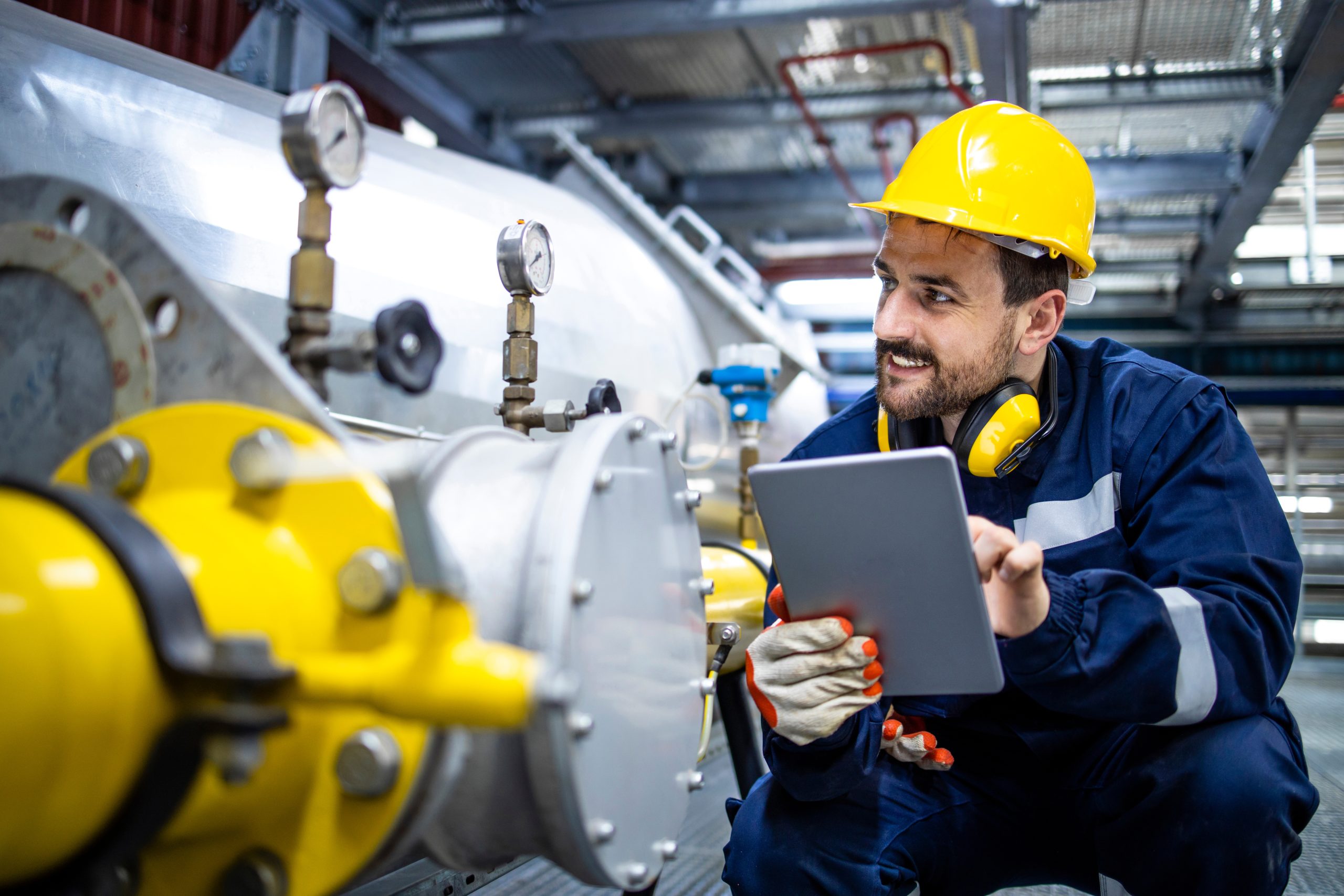
Natural gas producers are implementing advanced leak detection systems, upgrading equipment, training personnel on methane-reduction protocols, and sharing learnings across the industry. This cross-industry collaboration reflects a fundamental shift in how operators view their role: not as passive energy suppliers, but as active participants with an interest in reducing overall emissions.
As evidenced in the One Future annual report, participating industry leaders deploy 83 unique methane abatement activities across five value chain segments, achieving a collective methane intensity of 0.280% and surpassing the organization’s emissions goal for the eighth consecutive year.
Critically, this progress has been accomplished while maintaining the energy affordability that keeps businesses running, homes warm, and our economy growing. The methane intensity reductions prove that we can make measurable environmental progress without sacrificing economic stability or energy reliability.
Where the Natural Gas Industry Is Headed
As we face the dual challenge of climate change and growing energy demand, we need pragmatic, all-of-the-above solutions that balance energy needs and work for American families and businesses alike.
Energy leaders must continue to measure their environmental impacts, set ambitious emissions reduction targets, and champion affordable, reliable solutions. Natural Allies members are already demonstrating this commitment while establishing the foundation for scaled emissions reduction across the entire value chain.
“Industry leadership alone isn’t enough. Accelerating the transition away from dirtier energy sources also requires supportive policy frameworks.”
Permitting reform is a critical next step to continued success. Streamlining energy project approvals means we can expand and modernize natural gas infrastructure, including pipelines, processing facilities, and distribution networks. This expansion enables ongoing methane intensity improvements and supports renewable energy integration.
Without efficient infrastructure to deliver natural gas, we cannot fulfill the promise of affordable lower-carbon energy solutions. The path forward requires both industry innovation and policy support that recognizes natural gas infrastructure investment as essential to America’s clean energy future.
###